

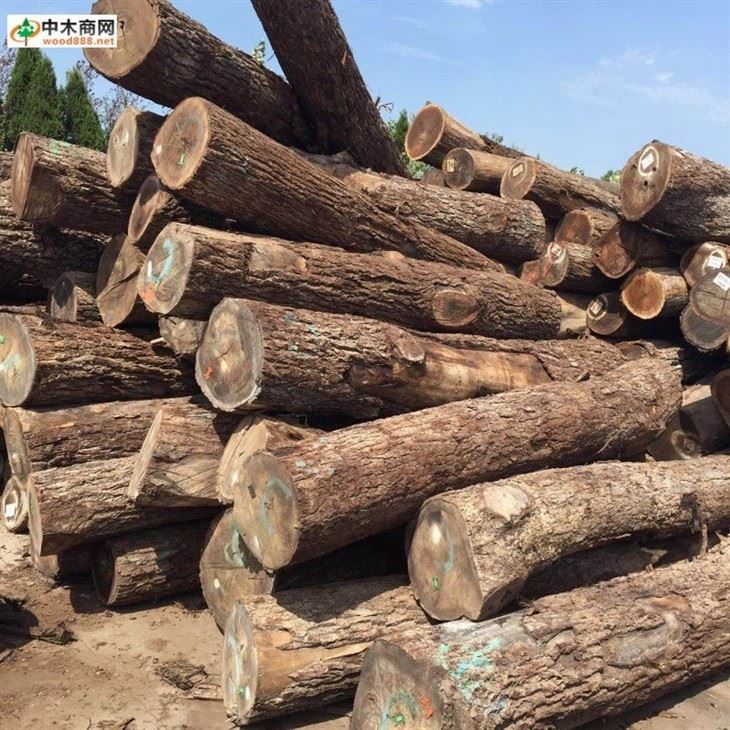
Red Oak Timber
What Is Red Oak Timber Red oak timber is a species of oak wood that is widely recognized for its strength, durability, and attractive grain patterns. It is one of the most commonly used hardwoods in construction.
What Is Red Oak Timber
Red oak timber is a species of oak wood that is widely recognized for its strength, durability, and attractive grain patterns. It is one of the most commonly used hardwoods in construction, cabinetry, furniture making, and carpentry due to its versatility and aesthetic appeal.
Advantages of Red Oak Timber
Workability
Red oak is celebrated for its ease of workability. It responds well to cutting, shaping, and machining processes, which simplifies the creation of intricate designs in furniture or the precise fitting required in construction. Whether it's being planed, sanded, or drilled, red oak offers a smooth performance, reducing the time and effort needed in production.
Aesthetic Appeal
The rich, reddish hues and striking grain patterns of red oak timber contribute to its visual allure. This natural beauty can enhance the aesthetic value of any space, from rustic interiors to modern, minimalist designs. The grain of red oak varies greatly and can feature a stunning "cathedral" pattern, adding a three-dimensional effect to the wood's surface.
Durability
While red oak is not the hardest of woods, it still boasts considerable durability, making it suitable for both structural and decorative applications. Its durability ensures that it can withstand the wear and tear of daily use, whether it's being used for furniture, flooring, or paneling.
Finishing Characteristics
Red oak readily accepts stains and finishes, allowing for a wide range of customization options. This adaptability means that the wood can be transformed to match any desired color palette or sheen level. Whether a natural finish is desired or a complete color change, red oak can be easily tailored to meet specific design requirements.
Versatility
The uses of red oak are incredibly versatile. It can be used for a multitude of applications, including furniture construction, cabinetry, flooring, millwork, and even boatbuilding. Its adaptability to different styles and functions makes it a go-to material for a wide array of woodworkers and builders.
Resistance to Indentation
Although not as resistant to dents as some harder woods, red oak still provides a reasonable level of resistance to indentation. This quality ensures that furniture and floors made from red oak can maintain their attractive appearance despite everyday use.


Why Choose Us
Global trade network
Our products are well-received both domestically and internationally, covering global markets. The establishment of a global supply chain enables us to flexibly and efficiently meet the needs of customers in different countries and regions.
High quality products
We always put customer needs and expectations in the first place, refine on, continuous improvement, to seek every opportunity to do better, to provide customers with their expectations of quality products, to provide customers with the most satisfactory service at anytime.
Competitive prices
We offer our products at competitive prices, making them affordable for our customers. We believe that high-quality products should not come at a premium, and we strive to make our products accessible to all.
Rich experience
Has a long-standing reputation in the industry, which makes it stand out from its competitors. With over many years of experience, they have developed the skills necessary to meet their clients' needs.
Innovation
We are dedicated to improving our systems continually, ensuring that the technology we offer is always cutting edge.
Professional team
We have a team of skilled and experienced professionals who are well-versed in the latest technology and industry standards. Our team is dedicated to ensuring that our customers get the best service and support possible.
Types of Red Oak Timber
Northern Red Oak
Northern Red Oak (Quercus rubra) is the most common and widely available type of Red Oak Timber. It is native to North America and is known for its strength, durability, and attractive grain patterns. Northern Red Oak has a light to medium reddish-brown color with a prominent grain pattern. It is commonly used for flooring, furniture, cabinetry, and interior trim.
Southern Red Oak
Southern Red Oak (Quercus falcata) is another popular type of Red Oak Timber. It is native to the southeastern United States and is known for its strength and durability. Southern Red Oak has a reddish-brown color with a coarse texture and open pores. It is commonly used for flooring, furniture, cabinetry, and millwork.
Cherrybark Oak
Cherrybark Oak (Quercus pagoda) is a type of Red Oak Timber that is native to the southeastern United States. It is known for its strength, durability, and attractive grain patterns. Cherrybark Oak has a light to medium reddish-brown color with a prominent grain pattern. It is commonly used for flooring, furniture, cabinetry, and architectural millwork.
Pin Oak
Pin Oak (Quercus palustris) is a type of Red Oak Timber that is native to North America. It is known for its strength, durability, and attractive grain patterns. Pin Oak has a light to medium reddish-brown color with a prominent grain pattern. It is commonly used for flooring, furniture, cabinetry, and veneer.
Shumard Oak
Shumard Oak (Quercus shumardii) is a type of Red Oak Timber that is native to the southeastern United States. It is known for its strength, durability, and attractive grain patterns. Shumard Oak has a light to medium reddish-brown color with a prominent grain pattern. It is commonly used for flooring, furniture, cabinetry, and paneling.
Black Oak
Black Oak (Quercus velutina) is a type of Red Oak Timber that is native to North America. It is known for its strength, durability, and attractive grain patterns. Black Oak has a dark brown color with a prominent grain pattern. It is commonly used for flooring, furniture, cabinetry, and outdoor applications such
What Is the Typical Moisture Content of Freshly Cut Red Oak Timber
The typical moisture content of freshly cut red oak timber is quite high, typically ranging between 30% and 50%. This high moisture content is due to the fact that the wood is still saturated with sap and has not yet had a chance to dry out. It's important to note that the exact moisture content can vary depending on a number of factors, including the specific location where the tree was grown, the time of year when it was cut, and the specific characteristics of the tree itself. For example, trees that are cut during the rainy season or in areas with high humidity will have higher moisture content than those cut during dry seasons or in drier regions.
The high moisture content of freshly cut red oak timber is important to understand because it can affect the wood's weight, strength, and stability. When the wood is wet, it is heavier and may not perform as well in structural applications. Additionally, if the wood is not properly dried before use, it can expand and contract as it reacts to changes in humidity, which can cause problems such as warping, cracking, and checking. To ensure that red oak timber performs well in structural applications, it is important to allow the wood to dry properly before use. This can be done through air drying or kiln drying. Air drying involves stacking the wood in a well-ventilated area and allowing it to dry naturally over time. Kiln drying, on the other hand, involves using a controlled environment to speed up the drying process.
The target moisture content for red oak timber that will be used in construction is typically around 6% to 9%. At this level, the wood is dry enough to minimize movement and ensure stability, but it still retains enough moisture to prevent it from becoming brittle and prone to splitting. In summary, the typical moisture content of freshly cut red oak timber is high, typically ranging between 30% and 50%. To ensure proper performance in structural applications, it is important to allow the wood to dry properly to a target moisture content of around 6% to 9%. This can be achieved through either air drying or kiln drying methods.
Property changes
Drying reduces the moisture content of the wood, which can lead to changes in its mechanical properties. The wood becomes lighter in weight as moisture is removed. Additionally, the drying process can affect the wood's hardness, stiffness, and resistance to cracking and warping. These changes can impact the wood's suitability for specific applications.
Shrinkage and swelling
As the wood dries, it tends to shrink. This shrinkage is more pronounced across the width of the board than along its length. The extent of shrinkage can vary depending on the initial moisture content, the drying conditions, and the wood's grain orientation. Uneven shrinkage can result in warping, cracking, or other dimensional changes.
Stability and durability
Proper drying helps to improve the stability and durability of Red Oak Timber. By reducing the moisture content, the risk of rot, fungus, and insect infestation is minimized. Drying also helps to stabilize the wood's dimensions, reducing the likelihood of future movement or distortion.
Moisture equilibrium
Once the wood has reached a equilibrium moisture content, it will absorb or release moisture based on the surrounding environment. This equilibrium moisture content can vary depending on the humidity and temperature of the surrounding air.
Drying methods
The choice of drying method can also impact the properties and dimensions of Red Oak Timber. Slow, controlled drying processes are generally preferred as they help to minimize stress and distortion. Rapid drying or exposure to extreme conditions can increase the risk of problems.
Thickness and size considerations
Thicker pieces of Red Oak Timber are more prone to cracking and warping during the drying process. Larger dimensions may also take longer to dry evenly, increasing the potential for dimensional changes.
Finish application
The application of finishes, such as stains or sealants, can also affect the wood's appearance and dimensions. Finishes can sometimes mask or accentuate any existing dimensional changes.
What Are the Common Methods for Seasoning and Drying Red Oak Timber
Air drying is the simplest and most traditional method of seasoning red oak timber. After being cut and milled, the wood is stacked in an open area with sufficient air circulation. The stacks are raised off the ground and often have stickers (strips of wood) placed between the layers to promote airflow. The timber is left to sit and dry naturally as evaporation occurs. The duration of air drying can vary greatly, from several months to several years, depending on the thickness of the wood, climate conditions, and the desired moisture content. While air drying is cost-effective and gentle on the wood, it is slower and more susceptible to the elements, which can sometimes lead to quality issues.
Kiln drying is a faster and more controlled method that utilizes a sealed chamber, known as a kiln, to dehydrate the timber. The kiln is heated to create a low-humidity environment, which encourages moisture to evaporate from the wood. The temperature, humidity, and airflow within the kiln are carefully monitored and adjusted to manage the drying rate and prevent stress and deformation in the wood. Kiln drying can significantly reduce the time it takes to lower the moisture content to the desired level, often measured in weeks rather than months. This method is particularly useful for large quantities of timber or when specific moisture targets need to be met promptly. It also minimizes exposure to weather and wildlife, reducing the risk of defects and ensuring a more uniform product.
Both air drying and kiln drying serve their purposes in the timber industry, with each method having its advantages and disadvantages. Air drying is often preferred for its simplicity and cost-effectiveness, especially for smaller operations or when time is not a critical factor. On the other hand, kiln drying provides greater control and efficiency, making it the go-to choice for larger-scale operations, commercial production, or when quick turnaround and precise moisture content are required. Regardless of the chosen method, the goal remains the same: to season the red oak timber adequately to ensure its suitability for various applications while minimizing any potential issues related to moisture content.
Does Red Oak Timber Have Any Special Considerations for Installation


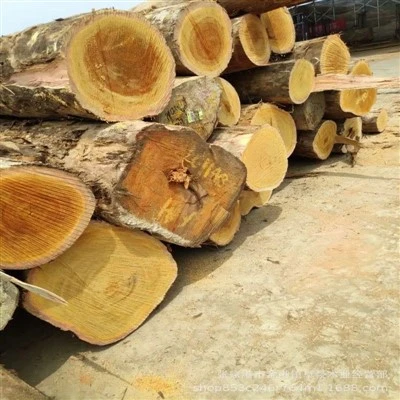
Moisture Content
As mentioned earlier, the moisture content of Red Oak Timber should be taken into account during installation. If the wood is too wet, it may expand or contract as it dries, causing problems with fit and finish. It's recommended to use a moisture meter to measure the moisture content of the wood before installation and allow it to acclimate to the installation environment if necessary.
Finishing
The finishing process can also affect the installation of Red Oak Timber. If the wood is finished before installation, it may be more difficult to make adjustments or cuts as needed. It's also important to choose a finish that is compatible with the wood and the installation environment to ensure long-term durability.
Fasteners
The type of fasteners used for installation can also impact the success of the project. Nails or screws that are too small or weak may not provide sufficient holding power, while those that are too large may cause the wood to split. It's important to choose the right size and type of fastener for the job and to ensure they are properly installed.
Grain Orientation
The grain orientation of Red Oak Timber can also affect its performance during installation. For example, wood with a pronounced grain pattern may be more prone to cracking or warping as it dries. It's important to take the grain orientation into account when cutting and fitting the wood to minimize the risk of problems.
Expansion and Contraction
Red Oak Timber is subject to expansion and contraction due to changes in humidity and temperature. This can affect the fit of the wood and may require adjustments during installation. It's important to allow for some movement in the wood and to use appropriate joinery techniques to ensure a tight fit over time.
Sealing
To protect the wood from moisture and insects, it's important to apply a sealant or finish to the exposed edges and surfaces of the Red Oak Timber. This will help to prevent warping, cracking, and rot and will extend the life of the wood.
Safety
Working with wood can be dangerous, especially if power tools are used. It's important to follow proper safety procedures, including wearing appropriate protective equipment, using tools correctly, and keeping the work area clean and organized.
Red Oak Timber generally has moderate resistance to moisture and swelling. While it is not considered as highly resistant to moisture as some other woods, it can still perform reasonably well in certain applications.Moisture resistance depends on several factors, including the initial moisture content of the wood, the level of exposure to moisture, and the environment in which the wood is used. Red Oak Timber is known to have a relatively low moisture absorption rate, which means it doesn't absorb moisture as readily as some species.However, like most woods, Red Oak Timber can still experience some swelling when it comes into contact with moisture. This swelling is more likely to occur if the wood is exposed to excessive moisture for an extended period or if it is not properly dried and treated before use.To minimize the risk of moisture-related issues, it is important to ensure that Red Oak Timber is properly seasoned and dried before installation. This helps to reduce the moisture content and increases its stability. Additionally, using proper sealing and finishing products can provide an additional layer of protection against moisture.In applications where moisture resistance is a concern, such as in flooring or outdoor structures, it may be beneficial to consider using woods that are specifically known for their higher moisture resistance or to take additional precautions to protect the wood from moisture exposure.It's also important to note that the performance of Red Oak Timber in terms of moisture and swelling can vary depending on the specific characteristics of the individual pieces of wood and the conditions they are exposed to. Therefore, it's always a good idea to consult with experts or refer to specific guidelines and recommendations for the particular application or project at hand.
How Does the Weight of Red Oak Timber Compare to Other Wood Species
Red oak timber, a staple of North American forests, is known for its robust characteristics, including its weight. When compared to other wood species, red oak falls somewhere in the middle of the spectrum, neither the lightest nor the heaviest. Its specific gravity, a measure of how much a substance weighs compared to an equal volume of water, typically ranges from 0.64 to 0.84. For reference, water has a specific gravity of 1.00.
Compared to softwood species like pine, spruce, or fir, red oak is heavier due to its denser grain structure and greater proportion of cellulose and lignin, the chief organic constituents of wood. Pine, for example, has a lower specific gravity, ranging from 0.35 to 0.55, making it lighter and easier to handle for construction and carpentry projects where weight is a concern.
Amongst hardwood species, red oak's weight is moderate. It is lighter than some dense hardwoods such as black walnut (with a specific gravity of 0.64 to 0.70), cherry (ranging from 0.58 to 0.67), and hard maple (specific gravity of 0.63 to 0.72). However, it is heavier than softer hardwoods like basswood (with a specific gravity of 0.35 to 0.44) and poplar (ranging from 0.35 to 0.50). The weight of red oak places it favorably for many applications, as it offers a balance between strength and ease of handling.
The weight of red oak timber also influences its use. Due to its medium weight, it is well-suited for applications requiring structural integrity without excessive burden, such as flooring, cabinetry, furniture making, and construction framing. Its moderate density contributes to its workability, allowing it to be sawn, carved, and machined with standard woodworking tools and techniques.
Can Red Oak Be Stained
Staining is a common finishing technique used to enhance the appearance of wood and add color and depth. Red oak stains well and can be stained in a variety of colors depending on the desired finish. When staining red oak, it is important to choose a high-quality stain that is formulated specifically for oak. Different stains may produce different results on different wood species, so it's important to choose a stain specifically designed for oak to ensure you get the best results. Before staining, the wood should be properly prepared by sanding and cleaning to remove any dirt, debris, or finish that might prevent the stain from penetrating evenly. It's also a good idea to use a wood conditioner to help promote even staining and prevent spotting. When applying stain, it is important to follow the manufacturer's instructions carefully. Typically, it is recommended to use a brush or rag to spread the stain evenly, working in the direction of the grain. Multiple coats of stain may be required to achieve the desired color intensity, and each coat of stain should be allowed to dry completely before applying the next layer. After staining, the wood should be sealed with a clear coat or varnish to protect the stain and enhance the wood's durability. Finish. This will help prevent the stain from fading or wearing off over time.
Our Factory
Yixiang Wood Industry Co., Ltd., located in Jiaxing, a prominent hub in the Chinese wood industry, is a woodworking giant with over 30 years of experience. Supported by a professional and stable woodworking team, we have earned a reputation in the industry and successfully established our market advantages.

FAQ
Q: How does Red Oak Timber compare to other hardwood species in terms of hardness?
Q: Can Red Oak Timber be used for flooring?
Q: Does Red Oak Timber have any special considerations for installation?
Q: How does Red Oak Timber compare to other hardwoods in terms of cost?
Q: Can Red Oak Timber be used for furniture making?
Q: Does Red Oak Timber have any special considerations for woodworking?
Q: Can Red Oak Timber be used for carving or turning?
Q: How does Red Oak Timber contribute to indoor air quality?
Q: Can Red Oak Timber be used for paneling or millwork?
Q: Does Red Oak Timber have any special considerations for staining or finishing?
Q: How does Red Oak Timber compare to other hardwoods in terms of availability?
Q: Can Red Oak Timber be used for musical instruments?
Q: What are the characteristics of Red Oak Timber?
Q: What are the common uses of Red Oak Timber?
Q: Is Red Oak Timber durable?
Q: How does Red Oak Timber compare to White Oak Timber?
Q: Can Red Oak Timber be stained?
Q: Is Red Oak Timber easy to work with?
Q: Does Red Oak Timber have any special considerations for finishing?
Q: How does Red Oak Timber age and change color over time?
Hot Tags: red oak timber, China red oak timber manufacturers, suppliers, factory, Stained Veneer, Red Oak Zigzag Veneer Panel, Retro Zigzag Veneer, White Waxwood Zigzag Veneer Panel, Smoked Ebony Veneer, Black Walnut Straight Grain Veneer

