Shanghai Zhenyin Wood Industry Co., Ltd.

Smoked Veneer

What Is Smoked Veneer


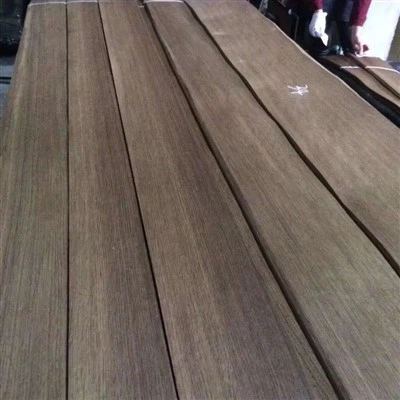
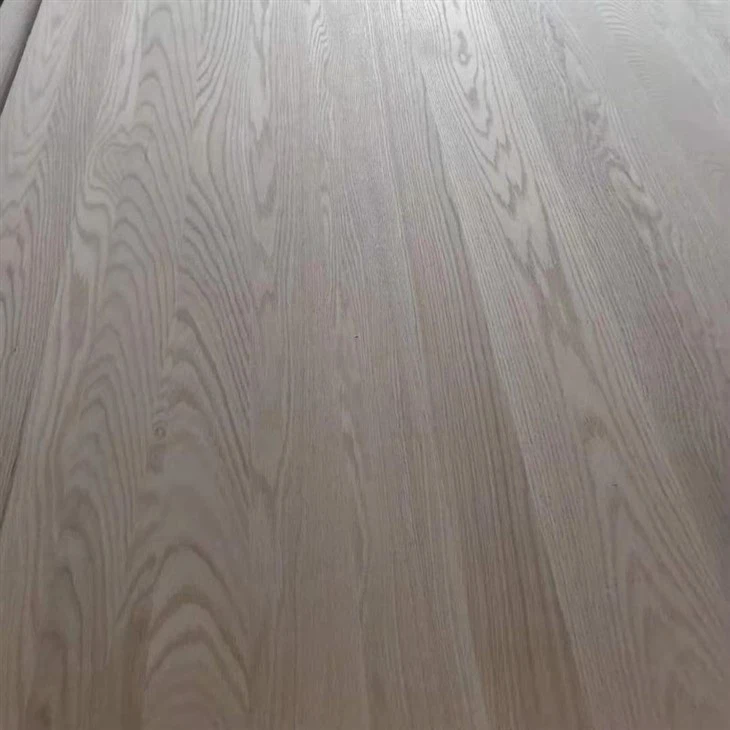
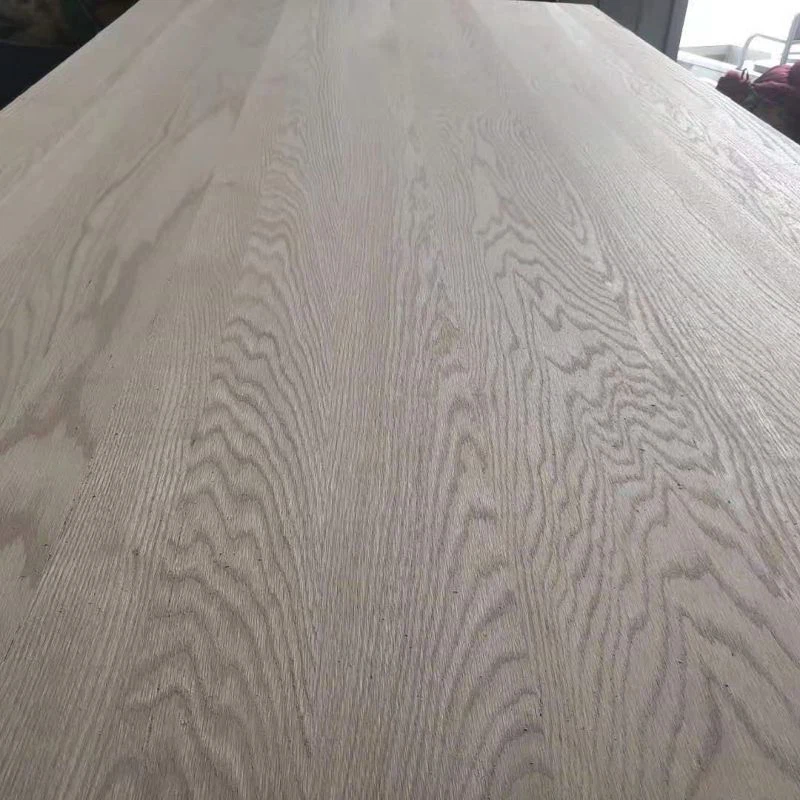
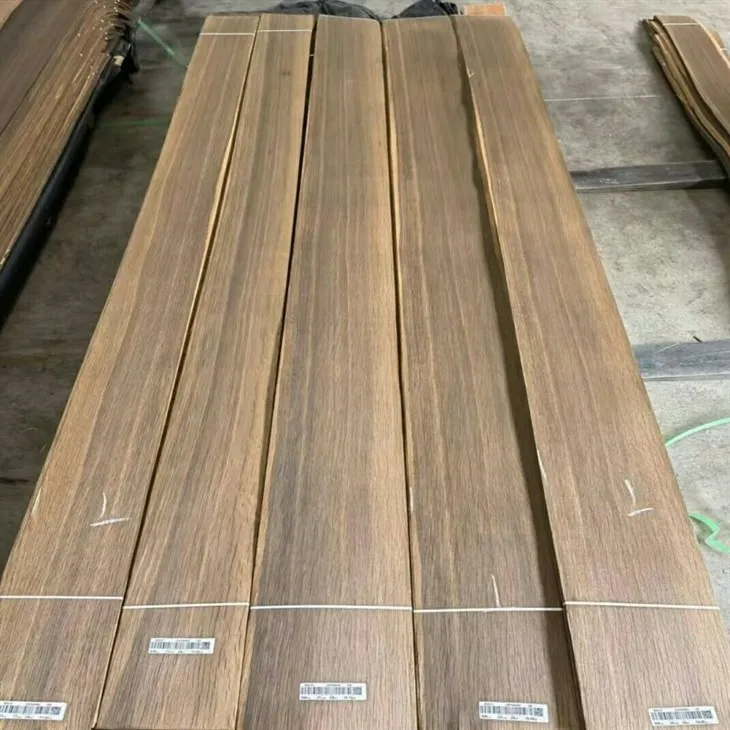
Smoked veneer is a type of wood veneer that has been subjected to a smoking process, which adds a unique aesthetic and depth to the material. The smoking process imparts a rich, smoky hue to the veneer, often resulting in a variety of shades ranging from light grays to deep blacks, sometimes with subtle hints of the wood's original color peeking through.


Advantages of Smoked Veneer
 
01/

Aesthetic Appeal
One of the primary benefits of smoked veneer is its striking appearance. The process of smoking wood results in a gradient of colors that transition from the wood's natural hues to various shades of gray, brown, and even near-black tones. This unique coloration provides an organic, weathered look that can evoke a sense of history and timelessness. The smoky finish adds a layer of sophistication and depth to any design, making it a focal point in modern, industrial, or rustic decors.

02/

Versatility
Smoked veneer is versatile in application. It can be used on a wide range of surfaces including walls, ceilings, doors, and furniture. Its adaptability allows it to complement various design styles, from sleek minimalism to warm rustic themes, making it a flexible option for different interior design projects.

03/

Durability
Wood veneer, in general, is known for its durability, and smoked veneer maintains these qualities. The smoking process does not significantly alter the wood’s structure, meaning it still boasts the same resilience and longevity as non-smoked veneers. When properly maintained, smoked veneer can withstand the wear and tear of daily use, preserving its aesthetic appeal over time.

04/

Eco-Friendliness
Compared to alternative materials like plastic laminates or synthetic wallpapers, wood veneer is a more sustainable choice. It comes from a renewable resource and, if sourced responsibly, can contribute to environmentally responsible forest management. The smoked veneer process does not use harmful chemicals, making it a healthier option for indoor spaces.

05/

Installation Flexibility
Smoked veneer can be applied using traditional woodworking techniques, which means it can be fitted onto a multitude of substrates without the need for specialized tools or complex procedures. This makes it accessible to a wide range of craftspeople and DIY enthusiasts.

06/

Maintainability
Well-applied smoked veneer requires minimal maintenance beyond regular cleaning. It can be easily cleaned with gentle, non-abrasive cleaning solutions, helping to preserve its smoked finish over time. Any scratches or damages can often be repaired or touched up, restoring the veneer to its original appearance.

  • Rose Eucalyptus Smoked Veneer

    Rose Eucalyptus Smoked Veneer

    Our Rose Eucalyptus Smoked Veneer is an excellent choice for both interior and exterior

    Add to Inquiry
  • Sawtooth Smoked Oak

    Sawtooth Smoked Oak

    Sawtooth Smoked Oak is the flagship collection in our Oak Veneer range and is favored by designers

    Add to Inquiry
  • Ash Mountain Grain AA Grade Veneer Veneer

    Ash Mountain Grain AA Grade Veneer Veneer

    Ash Mountain Grain AA Grade Veneer is a selected premium veneer, known for its unique mountain

    Add to Inquiry
  • Smoked Walnut Veneer

    Smoked Walnut Veneer

    Smoked Walnut Veneer – Elegant, Durable, and Built for Premium Projects

    Add to Inquiry
  • Smoked Teak Veneer

    Smoked Teak Veneer

    Explore the Timeless Elegance of Smoked Teak Veneer Elevate your interior design projects with the

    Add to Inquiry
  • Smoked Sapele Veneer

    Smoked Sapele Veneer

    Explore the Exquisite Beauty of Smoked Sapele Veneer Elevate your interior design projects with the

    Add to Inquiry
  • Smoked Larch Veneer

    Smoked Larch Veneer

    Discover the Elegance of Smoked Larch Veneer Elevate your interior design projects with the

    Add to Inquiry
  • Smoked Figured Eucalyptus Veneer

    Smoked Figured Eucalyptus Veneer

    Discover the exquisite beauty and unparalleled craftsmanship of Smoked Figured Eucalyptus Veneer.

    Add to Inquiry
  • Smoked Ash Veneer

    Smoked Ash Veneer

    Elevate Your Space with Smoked Ash Veneer: Pure Wood Luxury Experience the unparalleled beauty and

    Add to Inquiry
  • Smoke Oak Veneer

    Smoke Oak Veneer

    Elevate Your Space with Smoke Oak Veneer by Miao Shuhuan Discover the exquisite beauty and superior

    Add to Inquiry
  • Fumed Oak Veneer

    Fumed Oak Veneer

    Discover the elegance of our high-quality Fumed Oak Veneer, meticulously crafted to elevate your

    Add to Inquiry
  • 0.5mm Pure Wood Smoked Oak Veneer

    0.5mm Pure Wood Smoked Oak Veneer

    We proudly present our 0.5mm Pure Wood Smoked Oak Veneer, a meticulously crafted high-quality wood

    Add to Inquiry
First 12 Last 1/2

Why Choose Us


Global trade network

Our products are well-received both domestically and internationally, covering global markets. The establishment of a global supply chain enables us to flexibly and efficiently meet the needs of customers in different countries and regions.

High quality products

We always put customer needs and expectations in the first place, refine on, continuous improvement, to seek every opportunity to do better, to provide customers with their expectations of quality products, to provide customers with the most satisfactory service at anytime.

Competitive prices

We offer our products at competitive prices, making them affordable for our customers. We believe that high-quality products should not come at a premium, and we strive to make our products accessible to all.

Rich experience

Has a long-standing reputation in the industry, which makes it stand out from its competitors. With over many years of experience, they have developed the skills necessary to meet their clients' needs.

Innovation

We are dedicated to improving our systems continually, ensuring that the technology we offer is always cutting edge.
Professional team

We have a team of skilled and experienced professionals who are well-versed in the latest technology and industry standards. Our team is dedicated to ensuring that our customers get the best service and support possible.


What Is the Process of Creating Smoked Veneer


The process of creating smoked veneer involves exposing the wood to smoke from a chosen wood species. This smoking process imparts a unique color and texture to the veneer. The wood is first cut into thin sheets, typically 1/40th to 1/10th of an inch thick. The cut wood sheets are then stacked and exposed to smoke, which can be generated from various sources such as burning wood or special smoking machines. The smoke penetrates the wood, reacts with the tannins and natural pigments present, and imparts a dark color to the wood. The duration and intensity of the smoking process determine the final color and depth of the smoking effect. Once the smoking process is complete, the veneer sheets are allowed to air dry and can then be used in various woodworking projects, such as furniture making, cabinetry, or interior finishes. Smoked veneer offers a rustic and unique look to wood projects, adding character and warmth to the final product.


Can Any Type of Wood Be Used for Smoking to Create Veneer

Hardwood vs. Softwood
Hardwoods are generally preferred for veneering because they have tighter grain patterns, which translate into more detailed and aesthetically pleasing results. Common hardwoods used for smoked veneer include oak, maple, birch, walnut, and cherry. These species are durable and can withstand the heat and smoke without excessive warping or damage.


Grain Patterns
The grain pattern of the wood plays a significant role in the final appearance of the veneer. Woods with straight grains, such as maple or ash, will produce a uniform smoked effect, while woods with more pronounced or wavy grains, like oak or walnut, can create intricate and dynamic patterns once smoked.


Tannin Content
Tannins are natural compounds found in many woods that can react with the smoking process to produce different colors and tones. Woods with high tannin content, like oak, can yield rich, dark smoked effects, while lower tannin woods might result in lighter shades. The tannin level can influence the depth and hue of the smoke stain on the veneer surface.

Resistance to Heat

The ability of a wood species to resist heat without charring or losing structural integrity is essential. Some species, such as redwood or cedar, might not be suitable for smoking due to their tendency to break down at lower temperatures. Hardwoods that retain their strength and stability under heat are ideal candidates for smoked veneer.

Availability and Sustainability

The availability of a wood species and its sustainability are also considered. Preferably, woods that are readily available and sourced from well-managed forests or responsible logging practices are selected. This ensures a steady supply of raw materials while minimizing environmental impact.

Compatibility with End Use

The intended use of the smoked veneer will dictate the choice of wood. For example, some applications may require woods that are naturally resistant to decay or pests, such as teak or cypress, although these species might not always be ideal for smoking due to their specific properties.


productcate-1-1


What Are the Common Woods Used for Creating Smoked Veneer

The common woods used for creating smoked veneer include oak, maple, cherry, walnut, birch, and ash. These woods are chosen for their durability, aesthetic properties, and ability to absorb the smoking process well, resulting in a desirable color and texture.

However, the choice of wood can also depend on personal preference, availability, and the specific desired outcome of the smoked veneer. Other woods such as pine, cedar, or mahogany may also be used, but their suitability and smoking results can vary. It's important to note that the type of wood used can affect the final appearance, grain pattern, and color of the smoked veneer.

Different woods may yield different levels of darkness, smokiness, and texture. Additionally, some woods may have a more pronounced grain or unique characteristics that can enhance the visual appeal of the veneer. When selecting a wood for creating smoked veneer, it's advisable to consider the intended application, design aesthetic, and the properties of the specific wood species.


Are There Any Special Storage Requirements for Smoked Veneer
 

Humidity Control
Wood is hygroscopic, meaning it absorbs and releases moisture depending on the environment. Smoked veneer should be stored in a space with stable humidity levels to avoid warping, cracking, or changes in color. Relative humidity between 40% and 60% is generally recommended for wood storage.

Temperature Regulation
Fluctuations in temperature can cause expansion and contraction of the wood fibers, potentially leading to damage. Storing smoked veneer in a space where temperatures remain relatively constant is important.

Protection From Direct Sunlight
Exposure to direct sunlight can cause the wood to dry out and may lead to fading of the smoke finish. It’s best to keep smoked veneer out of direct light and to use diffused lighting if necessary.

Stacking Methods
Veneer should be stacked carefully to prevent bending or buckling. Using spacers or blocks between sheets can help maintain flatness and prevent adhesion. Each layer should be separated by acid-free paper or tissue to protect the veneer from sticking together.

Proper Packaging
If the smoked veneer will be stored for an extended period or needs to be transported, it should be carefully packaged. Use sturdy boxes or containers that allow for some air circulation while protecting the veneer from physical damage.

Pest Protection
To avoid damage from insects or rodents, store smoked veneer in sealed containers or in a pest-controlled facility. Regular inspections can help ensure that no pests are infesting the stored wood.

Avoid Contamination
Smoked veneer should be kept away from materials that could cause stains or odors. This includes avoiding contact with rubber, certain plastics, and other chemicals that may be present in the storage area.

Organization and Labeling
Keeping the veneer organized and labeled can help in maintaining inventory and preventing mix-ups. It’s helpful to label each bundle with information such as wood species, cut direction, and date of manufacture.


Can Smoked Veneer Be Used in Combination with Other Materials or Finishes
 
01/

The sleek, reflective quality of metals pairs beautifully with the warm, organic textures of smoked veneer. Combining smoked veneer with brushed or polished metals, such as brass, stainless steel, or aluminum, can create a sophisticated, high-contrast look. Use metals for hardware, frames, or accents to complement the smoked veneer. The transparency and clarity of glass can provide an interesting contrast to the smoked appearance of the veneer. Incorporating smoked veneer with glass can be done in cabinetry, furniture, or dividers, where glass panels surround smoked veneer frames or surfaces.

02/

Soft fabrics like leather, wool, or linen can add a tactile element that complements the smooth surface of smoked veneer. Upholstered elements or draperies in these fabrics can create a cozy, inviting atmosphere when paired with smoked veneer. The natural veining and cool hues of marble and stone can provide a elegant contrast to the smoked wood. Using smoked veneer with marble or stone for countertops, floors, or wall cladding can create a luxurious, high-end look in residential or commercial spaces.

03/

A painted finish or a clear, protective lacquer can preserve the beauty of the smoked veneer while adding an additional layer of protection. Matte or satin sheens can enhance the smoked effect, while glossy finishes can provide a sleek contrast. The versatility of acrylic makes it a good companion for smoked veneer. It can be used for lighting, dividers, or even as a substitute for glass in some applications. The transparency of acrylic allows the smoked veneer to show through, creating interesting visual effects.

04/

Interspersing smoked veneer with mosaic tiles or decorative tiles can add visual interest to walls, backsplashes, or feature areas. The variety of colors, shapes, and sizes available in tile can play off the smoked wood tones. When combining smoked veneer with other materials and finishes, it's important to consider the balance of textures, colors, and scales to create a harmonious design. Each element should complement rather than compete with the others, resulting in a cohesive and aesthetically pleasing final product.


Are There Any Specific Design Considerations When Using Smoked Veneer
productcate-1-1
productcate-1-1
productcate-1-1
productcate-1-1

Aesthetics and Color Palette
Smoked veneer can offer a range of color tones, from light browns to deep reds and blacks, depending on the wood species and smoking process. It's essential to harmonize the smoked veneer with the overall color palette of the design. Pairing smoked veneer with complementary materials and colors can create a cohesive and visually pleasing space.

Texture and Grain
The texture and grain pattern of smoked veneer can add depth and character to a design. Consider how the grain will interact with light and shadows, as this can significantly affect the visual perception of the finished product. For a modern, minimalist look, choose veneers with a more subtle grain, whereas a rustic or traditional design might benefit from veneers with a pronounced grain.

Pattern and Layout
The arrangement and direction of the veneer can impact the perceived flow and rhythm of a space. Consistent matching of grains and patterns along edges can create a seamless, continuous look, while varied layouts can introduce dynamic movement and interest. In paneling and furniture, consider whether to use book-matched veneers (where leaves are paired from the same log) for symmetry or random matching for a more eclectic feel.

Scale and Thickness
The size and thickness of smoked veneer can affect both the structural integrity and the visual impact. Thicker veneers may be more suitable for high-traffic areas or where durability is a concern, while thinner veneers can be more pliable for curved or intricate designs. Pay attention to the scale of veneer sheets relative to the design elements to ensure a balanced composition.

Lighting
Lighting plays a crucial role in highlighting the beauty of smoked veneer. Natural light can bring out the warmth and richness of the wood, while artificial lighting can accentuate the depth and texture. Consider the direction and quality of light within a space to showcase the smoked veneer effectively.

Maintenance
Design choices should take into account the maintenance requirements of smoked veneer. High-maintenance finishes may not be ideal for areas prone to spills or scratches. Choose durable finishes and protective coatings to minimize wear over time.

Sustainability
Smoked veneer should ideally be sourced from sustainably managed forests or from manufacturers who practice responsible wood usage. Ensuring that the veneer meets eco-friendly standards can contribute to a more ethical and environmentally conscious design.

Compliance and Standards
Ensure that the smoked veneer meets industry standards for flammability, toxicity, and structural integrity, especially when used in large quantities or in public spaces.


productcate-1-1


What Are the Common Woods Used for Creating Smoked Veneer

1. Oak is a popular choice for creating smoked veneer due to its durability and beautiful grain pattern. It can be smoking to create a range of colors, from light tan to dark brown.

2. Maple is another popular choice for creating smoked veneer due to its fine grain and light color. It can be smoking to create a warm honey or amber tone.

3. Cherry is a reddish-brown wood that can be smoking to create a deeper, more luxurious color. It is often used in high-end furniture and cabinetry.

4. Walnut is a dark brown wood with a rich grain pattern. It can be smoking to create a deeper, more chocolatey color.

5. Ash is a light-colored wood with a straight grain pattern. It can be smoking to create a warm, honey-colored tone.

6. Mahogany is a deep red wood with a beautiful grain pattern. It can be smoking to create a rich, chocolatey color.

7. Teak is a yellowish-brown wood with a straight grain pattern. It can be smoking to create a warm, golden tone.

8. Birch is a light-colored wood with a fine grain pattern. It can be smoking to create a warm, honey-colored tone.


How Do You Clean and Maintain Smoked Veneer

Use a soft, dry cloth or a duster to remove dust and dirt from the surface of the veneer. Gently wipe in the direction of the wood grain to avoid scratching the veneer. Avoid using harsh or abrasive cleaners, as they can damage the veneer. Instead, use a mild cleaner or a solution of warm water and mild soap. For minor stains or spills, gently blot the area with a clean cloth dampened with the mild cleaner. Avoid rubbing too hard, as this can damage the veneer. Smoked veneer is not completely moisture-resistant, so it's important to protect it from excessive moisture. Use coasters and placemats to prevent water rings and stains on furniture with veneer surfaces. Prolonged exposure to direct sunlight can cause the veneer to fade or discolor. If possible, position furniture or décor items with smoked veneer away from direct sunlight. Depending on the specific veneer and finish, you may consider using a polish or conditioner specifically designed for wood. Follow the manufacturer's instructions for application and frequency. Be gentle when handling furniture or décor items with smoked veneer. Avoid dragging or placing heavy objects on the veneer, as this can cause scratches or damage. Periodically inspect the veneer for any signs of damage, such as cracks, peeling, or discoloration. Address any issues promptly to prevent further damage.

productcate-1-1


How Does the Cost of Smoked Veneer Compare to Other Veneer Options


The cost of smoked veneer can vary depending on several factors, including the type of wood, the quality of the veneer, and the supplier. Compared to other veneer options, the cost of smoked veneer may be higher due to the additional process of smoking the wood.Smoking the wood adds value and uniqueness to the veneer, which can result in a higher price. However, the exact cost comparison can vary depending on the specific species of wood and the market demand.Other factors that can affect the cost include the thickness of the veneer, the size of the sheet, and any additional finishing or customization required. Some rare or exotic wood species used for smoking may also command higher prices.It's important to note that veneer costs can also be influenced by supply and demand, as well as the geographic location and availability of the specific veneer.To get an accurate cost comparison, it's best to research and obtain quotes from different suppliers. They can provide specific pricing information based on your requirements and the current market conditions.Additionally, considering the overall project budget and the desired aesthetic and performance characteristics is important when choosing the veneer. While cost is an important factor, it should be balanced with the quality, durability, and visual appeal of the veneer for the specific application.


Our Factory


Yixiang Wood Industry Co., Ltd., located in Jiaxing, a prominent hub in the Chinese wood industry, is a woodworking giant with over 30 years of experience. Supported by a professional and stable woodworking team, we have earned a reputation in the industry and successfully established our market advantages.


null


FAQ


Q: What are the common woods used for creating smoked veneer?

A: Common woods used for creating smoked veneer include oak, maple, cherry, walnut, birch, and ash. However, the choice of wood can vary depending on the desired aesthetic and characteristics.

Q: How does the smoking process impact the durability and stability of the veneer?

A: The smoking process does not typically have a significant impact on the durability and stability of the veneer. However, proper finishing and maintenance are still important to ensure the long-term integrity of the veneer.

Q: Can smoked veneer be stained or finished after the smoking process?

A: Yes, smoked veneer can be stained or finished after the smoking process. Staining can enhance the color and add depth, while finishes can provide protection and a desired sheen.

Q: Are there any specific finishes or coatings that are recommended for smoked veneer?

A: Recommended finishes for smoked veneer may include polyurethane, varnish, or lacquer. These finishes can protect the veneer and enhance its appearance while allowing the smoke color to show through.

Q: How does smoked veneer compare to other types of veneers in terms of appearance?

A: Smoked veneer has a unique appearance that differs from other types of veneers. It offers a rustic, aged, or vintage look with a dark smokey color and sometimes a subtle texture.

Q: Can smoked veneer be used for both interior and exterior applications?

A: Smoked veneer is typically used for interior applications due to its susceptibility to weathering and exposure. Exterior use may require additional protection and finishing.

Q: Is smoked veneer more resistant to fading or discoloration over time?

A: Smoked veneer can be relatively resistant to fading or discoloration, but it still may show some natural aging and patina over time. Proper care and protection can help maintain its appearance.

Q: Can smoked veneer be repaired or restored if it gets damaged?

A: Smoked veneer can be repaired or restored to some extent, depending on the extent of the damage. Minor scratches or dents can often be filled and sanded, but larger damage may require replacement of the veneer section.

Q: Are there any environmental concerns associated with the production of smoked veneer?

A: The production of smoked veneer may have some environmental considerations, such as the sourcing of the wood and the use of smoking processes. Choosing sustainable wood and following environmental best practices can help minimize the impact.

Q: How does the cost of smoked veneer compare to other veneer options?

A: The cost of smoked veneer can vary depending on the type of wood, quality, and availability. It may be comparable to or slightly higher than other veneer options, depending on the specific market and supplier.

Q: Is it possible to create custom smoke colors or patterns in the veneer?

A: Creating custom smoke colors or patterns in the veneer is possible, but it requires specific techniques and may involve experimentation. The choice of smoking wood, duration, and conditions can influence the final result.

Q: Can smoked veneer be used in combination with other materials or finishes?

A: Yes, smoked veneer can be combined with other materials or finishes to create interesting design effects. It can be paired with contrasting or complementary colors, metals, or textured surfaces.

Q: Are there any specific design considerations when using smoked veneer?

A: Design considerations when using smoked veneer may include its visual weight, grain pattern, and how it interacts with surrounding elements. It can be used as a focal point or to add warmth and character to a design.

Q: How does smoked veneer affect the weight and thickness of the final product?

A: Smoked veneer typically adds minimal weight and thickness to the final product compared to the solid wood. The veneer's thinness allows for flexibility in application.

Q: Can smoked veneer be applied to curved or irregular surfaces?

A: Smoked veneer can be applied to curved or irregular surfaces, but it may require some skill and additional techniques to ensure a smooth and seamless application.

Q: Are there any limitations or challenges associated with working with smoked veneer?

A: Working with smoked veneer may present challenges such as matching grain patterns, achieving consistent color, and handling the veneer without damaging it. Proper tools and techniques are essential.

Q: How do you ensure the quality and consistency of smoked veneer?

A: Ensuring the quality and consistency of smoked veneer involves sourcing from reputable suppliers, inspecting the veneer for defects, and following proper manufacturing and storage practices.

Q: Can smoked veneer be used in high-moisture or wet environments?

A: Smoked veneer is not well-suited for high-moisture or wet environments as it can be susceptible to swelling, warping, or damage. It's best used in controlled interior spaces.

Q: Is it possible to achieve a uniform smoke color throughout the veneer sheet?

A: Achieving a uniform smoke color throughout the veneer sheet can be challenging, as the smoking process may result in variations. However, careful control of the smoking conditions can help minimize color variations.

Q: Are there any special storage requirements for smoked veneer?

A: Smoked veneer should be stored in a dry, cool, and protected environment to prevent moisture damage, warping, or fading. It can be wrapped or covered to protect it from dust and light.

As one of the most professional smoked veneer manufacturers and suppliers in China, we're featured by quality products and competitive price. Please rest assured to wholesale bulk customized smoked veneer from our factory.

Stained Eucalyptus Veneer, Smoked White Ash Veneer, Tigerwood Timber
goTop

(0/10)

clearall