Shanghai Zhenyin Wood Industry Co., Ltd.

Veneer

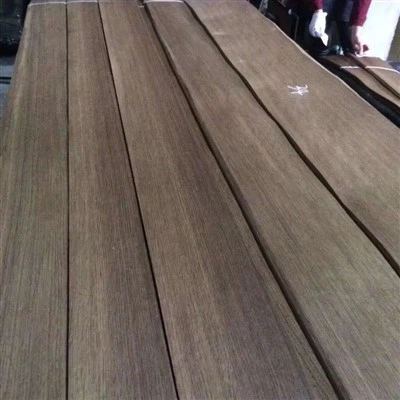
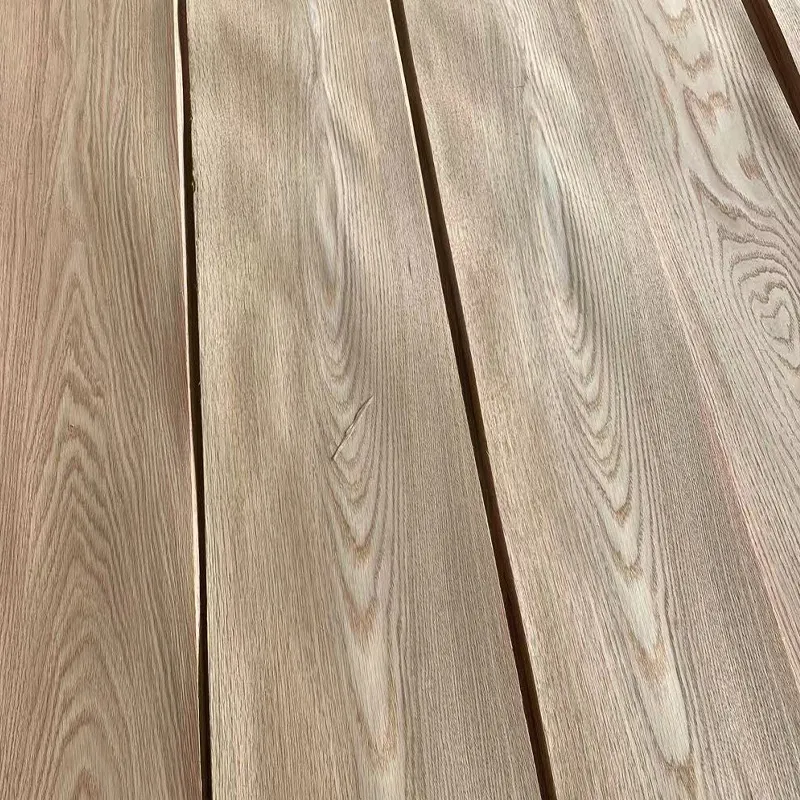
What Is Veneer


Veneer refers to a thin slice or layer of wood, stone, or other material, which is typically used to cover or decorate the surface of objects like furniture, walls, or floors. In the context of engineering, veneer is often applied in architectural design for aesthetic purposes, providing a high-quality finish with a natural look.


Advantages of Veneer
 
01/

Aesthetics
Veneer provides an attractive, natural appearance that closely resembles solid wood or stone. This makes it an ideal choice for creating visually appealing surfaces without the expense and weight associated with solid materials.

02/

Weight Reduction
Because veneer is extremely thin, it significantly reduces the weight of the final product compared to using solid wood or stone. This lightweight characteristic is particularly beneficial in construction and furniture making, where load-bearing capacity can be a concern.

03/

Cost Efficiency
Veneer is often more cost-effective than solid wood or stone, as it uses only the most attractive and durable portion of the material. This can lead to significant savings, especially when covering large areas or volumes.

04/

Material Conservation
By using only a thin slice of the original material, veneer helps conserve resources, making it an environmentally friendly option. It allows for the utilization of logs that would otherwise go to waste, promoting sustainability.

05/

Durability
Properly applied and maintained, veneer can be quite durable. It is resistant to dents and scratches, which are common in solid wood surfaces. Additionally, veneers can be coated with protective finishes to enhance their resistance to wear and tear.

06/

Versatility
Veneer can be applied to a wide range of substrates, including plywood, MDF, plastics, and metals, giving designers and builders flexibility in material selection. This versatility enables creative combinations and new possibilities in design.

07/

Easy Installation
The thin profile of veneer allows for easier handling and installation, which can reduce labor costs and speed up project timelines. It can be adhered directly to surfaces or integrated into prefabricated components, further simplifying the installation process.

08/

Thermal Properties
Wood veneer has good insulation properties, contributing to better thermal regulation in buildings. This can lead to energy savings, as it may reduce the need for heating and cooling systems.

First 1234567 Last 1/10

Why Choose Us


Global trade network

Our products are well-received both domestically and internationally, covering global markets. The establishment of a global supply chain enables us to flexibly and efficiently meet the needs of customers in different countries and regions.

High quality products

We always put customer needs and expectations in the first place, refine on, continuous improvement, to seek every opportunity to do better, to provide customers with their expectations of quality products, to provide customers with the most satisfactory service at anytime.

Competitive prices

We offer our products at competitive prices, making them affordable for our customers. We believe that high-quality products should not come at a premium, and we strive to make our products accessible to all.

Rich experience

Has a long-standing reputation in the industry, which makes it stand out from its competitors. With over many years of experience, they have developed the skills necessary to meet their clients' needs.

Innovation

We are dedicated to improving our systems continually, ensuring that the technology we offer is always cutting edge.
Professional team

We have a team of skilled and experienced professionals who are well-versed in the latest technology and industry standards. Our team is dedicated to ensuring that our customers get the best service and support possible.


Types of Veneer & When to Use Them
 

Raw Wood Veneer
Raw veneer is veneer that has no backing on it, so it can be used on either side as they look the same until you apply a finish. In the slicing process one side of the veneer is compressed the other stretched, so they can accept stain differently. Mostly made from hardwood trees, it’s very durable and can be used on flat as well as curved surfaces and the grain isn’t matched during manufacture. This means that if you want to create a specific finish, it might be better to choose a different type of veneer.


Laid-Up Veneer
Laid-up veneer is pieces of raw veneer attached together to create larger pieces. This is a good option as it can be manufactured to your specific size, design, and shape – but it is a lengthy process to create.


Backed Wood Veneer
Backed veneer uses another material – paper, phenolic, cloth and foil are common backings – to make it stronger and more versatile. The second material is attached to one side of the veneer and the grains in the panels are usually matched during manufacture. They can be applied to flat or curved surfaces as it is more flexible than raw wood veneer and less likely to crack.


Laminated or Reconstituted Veneer
Typically made from fast-growing species, reconstituted veneer consists of several slices of wood laminated together. The resulting block of wood is then sliced in the opposite direction from the initial slices so that its edges become the grain of the reconstituted veneer. The result is a very flexible veneer that can be shaped and bent.


productcate-1-1


Can Veneers Be Used in Indoor and Outdoor Applications

Veneers can be used in both indoor and outdoor applications, but there are some considerations to keep in mind when using them outdoors. Indoor applications for veneer include furniture, cabinetry, wall panels and architectural details. Veneer is often used in interior applications because it has a high level of aesthetic appeal and can be finished to match a variety of design styles. Outdoor applications for veneer include outdoor furniture, decking, and siding. When using veneer outdoors, it's important to choose a wood that's resistant to moisture and insects, such as teak or cedar. It is also important to apply a weather-resistant finish to protect the veneer from the elements. One factor to consider when using veneer outdoors is that it may expand and contract due to changes in temperature and humidity. Over time, this can cause the veneer to warp or crack. To minimize this problem, it is important to choose wood species with low shrinkage and expansion properties and use a high-quality finish to provide a moisture barrier. Another consideration when using veneer outdoors is that it may be more susceptible to damage from sunlight and other environmental factors. To protect your veneer, it's important to apply a UV-resistant finish and avoid exposing it to direct sunlight for extended periods of time. Veneer can be used for both indoor and outdoor applications, but it is important to choose the right wood species and apply a high-quality finish to protect it from the elements.


How Do I Maintain and Care for Veneer

For cleaning veneers, it is best to wipe them with a soft, damp cloth. Avoid using cleaners that contain strong chemicals as they may damage the surface of your veneers. For stubborn stains, use a mild detergent or soapy water, then rinse with clean water.

The surface of veneers is relatively fragile and susceptible to scratches. Therefore, avoid using sharp objects or rough cloths when cleaning or using furniture. Also, be especially careful when moving furniture to avoid friction with walls or other furniture.

Veneers are easily affected by moisture, so prolonged direct contact with moisture should be avoided in daily use. If the furniture surface accidentally gets wet, wipe it clean immediately with a dry cloth. In addition, avoid placing the furniture in a humid environment to prevent the veneer from getting damp and deforming.

In order to maintain the luster of the veneer and extend its service life, regular maintenance is recommended. You can choose to use special furniture maintenance wax or maintenance oil, apply it evenly on the veneer surface, and then wipe it evenly with a soft cloth. This not only adds shine but also creates a protective film that protects against stains and scratches.

Prolonged exposure to direct sunlight can cause veneers to fade and deform. Therefore, when placing furniture, avoid direct sunlight or use curtains and other coverings for protection.

productcate-1-1


productcate-1-1


How Does the Thickness of Veneer Affect Its Performance

Strength
Thicker veneer is generally stronger than thinner veneer because it has more wood fibers to resist bending and cracking. This makes thicker veneer better suited for applications where strength is important, such as in furniture construction or architectural detailing.

Durability
Thicker veneer is also generally more durable than thinner veneer because it is less likely to warp, crack, or split over time. This makes thicker veneer better suited for applications where durability is important, such as in exterior siding or decking.

Aesthetic appearance
The thickness of veneer can also affect its aesthetic appearance. Thicker veneer has a more pronounced grain pattern and texture, which can add visual interest to a piece of furniture or architectural detailing. However, thicker veneer may also be more difficult to work with because it is less flexible and more likely to crack or split during the manufacturing process.

Cost
Thicker veneer is generally more expensive than thinner veneer because it requires more wood to produce. This can make thicker veneer less cost-effective for applications where cost is a concern, such as in mass-produced furniture or construction projects.


How Is Veneer Different from Plywood


Manufacturing process
Veneer is made by slicing thin layers of wood from a log or board and then gluing them to a backing material, such as plywood or particleboard. Plywood, on the other hand, is made by gluing together multiple layers of wood veneer or lumber to create a thicker sheet.

Thickness
Veneer is typically very thin, ranging from 0.01 to 0.25 inches (0.25 to 6.35 millimeters) in thickness. Plywood is much thicker, with common thicknesses ranging from 0.5 to 1.5 inches (12.7 to 38.1 millimeters).

Appearance
Veneer has a natural wood grain and appearance because it is made from thin layers of real wood. Plywood, on the other hand, may have a more uniform appearance because it is made from multiple layers of wood veneer or lumber that are glued together.

Strength and durability
Plywood is generally stronger and more durable than veneer because it is made from multiple layers of wood that are glued together. Veneer, on the other hand, is more vulnerable to damage from moisture, impact, and other environmental factors.

Cost
Veneer is generally less expensive than plywood because it is made from thinner layers of wood. However, the cost of veneer can vary depending on the species of wood and the quality of the veneer.

Use
Veneer is commonly used for decorative purposes, such as on furniture, cabinets, and walls. Plywood is used for a variety of applications, including construction, flooring, and furniture.


Is Veneer a Fire Resistant Material


The flammability of veneer depends on the type of wood it is made from and the fire protection treatment it has undergone. Generally speaking, some types of wood veneer are more fire-resistant than others. Wood is a combustible material, but its flammability can be reduced by treating it with fire-retardant chemicals. Fire-retardant treated wood veneer is more resistant to fire than untreated wood veneer. However, the effectiveness of the treatment depends on the type of wood, the amount of treatment, and the conditions of the fire. Some types of wood, such as cedar and redwood, are naturally more resistant to fire than others. These woods have a lower heat conductivity and are less likely to ignite and spread flames. However, even these woods can burn if the fire is intense enough. It's important to note that while veneer may be more fire-resistant than solid wood, it is still a combustible material and should not be used in applications where fire resistance is critical. In applications such as fire doors and firewalls, materials with higher fire resistance ratings, such as gypsum board and concrete, are typically used. If you are considering using veneer in a fire-resistant application, it's important to choose a wood species that is naturally fire-resistant or has been treated with a fire-retardant chemical. You should also ensure that the veneer is installed correctly and that all gaps and seams are sealed to prevent the passage of flames and smoke. While veneer may be more fire-resistant than solid wood, it is still a combustible material and should not be used in applications where fire resistance is critical.


How Do You Calculate the Quantity of Veneer Needed for a Project
 

Use a tape measure or ruler to measure the length and width of the surface. If the surface has multiple sections, measure each section separately and add them together. Check the specifications of the veneer sheets you will be using to determine their length and width. Divide the length of the surface by the length of the veneer sheet to determine the number of veneer sheets needed to cover the length of the surface. Round up to the nearest whole number to ensure you have enough veneer. Divide the length of the surface by the length of the veneer sheet to determine the number of veneer sheets needed to cover the length of the surface. Round up to the nearest whole number to ensure you have enough veneer. Divide the width of the surface by the width of the veneer sheet to determine the number of veneer sheets needed to cover the width of the surface. Round up to the nearest whole number to ensure you have enough veneer. Multiply the number of veneer sheets needed for the length by the number of veneer sheets needed for the width, This will give you the total number of veneer sheets needed for the project. To account for waste during the cutting and installation process, add a margin of 10% to 15% to the total number of veneer sheets needed. This will ensure you have enough veneer to complete the project without running out.


What Are the Limitations of Using Veneer in Design
productcate-1-1
productcate-1-1
productcate-1-1
productcate-1-1

Durability Concerns
Veneer is a thin layer of wood attached to a substrate, which means it may not have the same durability as solid wood. It can be prone to damage from scratches, dents, and impacts, especially in high-traffic areas or where abrasive cleaning materials are used.

Water Resistance
Veneer is generally not as water resistant as solid wood or engineered wood products that have been specifically treated for moisture resistance. Prolonged exposure to water can cause the substrate to swell, leading to delamination or warping of the veneer.

Limited Thickness Variation
Because veneer is very thin, there is limited scope for creating designs that require varying thicknesses or carved details. This can restrict creativity and limit the types of furniture or architectural features that can be made with veneer.

Requires Skilled Application
Matching veneer patterns and colors accurately requires a high level of skill. Improperly matched veneer can result in an unsightly or uneven appearance. Additionally, applying veneer requires careful handling to prevent damage and proper adhesion to ensure longevity.

Environmental Impact
Veneer production can have a significant environmental impact, particularly when it comes to deforestation and the depletion of rare or old-growth timber sources. Ensuring that veneer comes from sustainable and responsibly managed forests is crucial but can sometimes be challenging to verify.

Cost Variability
The cost of veneer can vary widely based on the species of wood, the quality of the grain pattern, and the rarity of the material. Some exotic or highly figured veneers can be extremely expensive, which can affect project budgets significantly.

Maintenance Requirements
Veneer finishes may require regular maintenance to preserve their appearance. This can include polishing, re-coating, or repairing any damage. The upkeep needed can be more intensive compared to other materials with less-complex finishes.

Restricted Size Availability
Large, continuous pieces of veneer can be difficult to source, which may limit the size of the designs that can be created using this material. In some cases, seams may be unavoidable, and these need to be carefully executed to avoid visibility.

Heat and Light Sensitivity
Some veneers, especially those with a lighter or more porous grain, can be sensitive to UV light and heat, which can cause fading or discoloration over time. This limitation may affect the choice of veneer for external applications or interior spaces with a lot of natural light.


How Do I Match Veneer Patterns and Colors


Consider the overall design concept
The veneer should complement the overall design concept of the project. For example, if the project has a modern design aesthetic, you may want to choose a veneer with a simple grain pattern and a neutral color.

Match the grain pattern
The grain pattern of the veneer should match the grain pattern of the substrate or other elements in the design. For example, if the substrate has a straight grain pattern, you may want to choose a veneer with a similar grain pattern.

Match the color
The color of the veneer should match the color of the substrate or other elements in the design. You can choose a veneer with a similar color or a complementary color to create contrast.

Consider the finish
The finish of the veneer can affect the appearance of the color and grain pattern. A glossy finish can enhance the color and grain pattern, while a matte finish can reduce the shine and create a more subtle effect.

Sample the veneer
Before purchasing a large quantity of veneer, it is a good idea to sample the veneer to see how it looks in the actual project. This can help you avoid surprises and ensure that the veneer matches the design concept.

Work with a professional
If you are unsure about how to match veneer patterns and colors, it is a good idea to work with a professional designer or woodworker who has experience with veneer.


Our Factory


Yixiang Wood Industry Co., Ltd., located in Jiaxing, a prominent hub in the Chinese wood industry, is a woodworking giant with over 30 years of experience. Supported by a professional and stable woodworking team, we have earned a reputation in the industry and successfully established our market advantages.


null


FAQ


Q: How is veneer made?

A: Veneer is made by slicing logs with a veneer saw or by peeling the wood off a rotary lathe. The slices are then dried and sorted by grade before being sold or applied to substrates.

Q: What are the different types of veneer?

A: There are two main types of veneer: sliced and rotary-cut. Sliced veneer has a more uniform grain pattern, while rotary-cut veneer has a more pronounced and textured pattern. There are also exotic and domestic veneers, which refer to the type of tree the veneer comes from.

Q: What are the advantages of using veneer?

A: Veneer allows for the use of high-quality wood grains and patterns without wasting as much of the log, making it more sustainable. It's also lighter and less expensive than solid wood, and can be used in situations where solid wood isn't practical (e.g., curved surfaces).

Q: What are the disadvantages of using veneer?

A: Veneer can be prone to damage from scratches, dents, and impacts, and may not have the same durability as solid wood. It can also be difficult to repair if damaged. Additionally, some people prefer the look and feel of solid wood over veneer.

Q: How do you apply veneer?

A: Applying veneer typically involves gluing it to a substrate with a special adhesive. The veneer must be carefully matched to ensure a seamless appearance, and the glue must be allowed to cure completely before any further work is done on the piece.

Q: Can veneer be repaired?

A: Yes, veneer can be repaired, although it may require the services of a professional. Minor damage can often be sanded down and refinished, while more serious damage may require replacing the damaged section of veneer.

Q: How do you care for veneer?

A: Veneer should be cleaned regularly with a soft cloth and a mild cleaner. Avoid using abrasive cleaners or scrubbing tools, as these can scratch the surface. Additionally, avoid placing heavy objects on top of veneer, as this can cause dents or damage.

Q: Is veneer eco-friendly?

A: Veneer can be eco-friendly if it's sourced from sustainably managed forests and produced using environmentally responsible practices. However, some types of veneer, particularly those made from exotic or rare woods, may have a negative impact on the environment.

Q: What is the difference between plywood and veneer?

A: Plywood is made by gluing together multiple layers of wood veneer with the grain of each layer running perpendicular to the layers above and below it. Veneer, on the other hand, refers to just the thin layer of wood that is used in the production of plywood and other products.

Q: Can veneer be painted?

A: Yes, veneer can be painted, although it's important to choose a paint that adheres well to the surface and doesn't chip or flake over time. It's also a good idea to sand the veneer smooth before painting to ensure a smooth finish.

Q: How long does veneer last?

A: The lifespan of veneer depends on a number of factors, including the quality of the veneer, the substrate it's applied to, and how it's cared for. With proper care and maintenance, veneer can last for many years.

Q: Can veneer be stained?

A: Yes, veneer can be stained to achieve a range of colors and finishes. It's important to use a high-quality stain that adheres well to the surface and to apply it evenly to avoid blotches or streaks.

Q: What is the best way to store veneer?

A: Veneer should be stored in a dry, cool place away from direct sunlight and sources of heat or moisture. It should be stacked flat on a stable surface with sheets separated by paper or plastic sheets to prevent sticking.

Q: How do you match veneer patterns?

A: Matching veneer patterns typically involves carefully examining the grain patterns of the individual sheets and selecting pairs or groups that complement each other. It may also involve using transition techniques like book-matching or slip-matching to create a seamless appearance.

Q: Can veneer be used outdoors?

A: Veneer is generally not recommended for outdoor use due to its sensitivity to moisture and UV light, which can cause fading and deterioration over time. If outdoor use is desired, it's important to choose a veneer that has been specially treated for outdoor conditions and to apply a protective sealant.

Q: What is the difference between hardwood and softwood veneer?

A: Hardwood veneer comes from deciduous trees like oak, maple, and walnut, while softwood veneer comes from coniferous trees like pine and spruce. Hardwood veneers typically have a more pronounced grain pattern and are often more expensive than softwood veneers, which tend to be smoother and less expensive.

Q: Can veneer be glued to metal?

A: Yes, veneer can be glued to metal using a suitable adhesive designed for bonding wood to metal. It's important to ensure that the metal surface is clean and free of oils or contaminants before applying the adhesive and veneer.

Q: How do you remove veneer?

A: Removing veneer typically involves carefully scoring the edges with a utility knife or chisel and then peeling it away from the substrate. It's important to proceed slowly and carefully to avoid damaging the underlying surface.

Q: What is the difference between laminate and veneer?

A: Laminate is a synthetic material made from layers of kraft paper impregnated with resins and topped with a decorative layer. Veneer, on the other hand, is a thin slice of natural wood. Laminate is typically less expensive and easier to maintain than veneer, but may not have the same natural beauty or warmth.

Q: Can veneer be used on curved surfaces?

A: Yes, veneer can be applied to curved surfaces using specialized techniques and adhesives that allow the veneer to conform to the shape of the curve. This can be a challenging process, however, and may require the services of a professional.

As one of the most professional veneer manufacturers and suppliers in China, we're featured by quality products and competitive price. Please rest assured to wholesale bulk customized veneer from our factory.

Light Toned Black Walnut Wood, Catalpa Wood Flooring, Black Walnut Raw Veneer
goTop

(0/10)

clearall