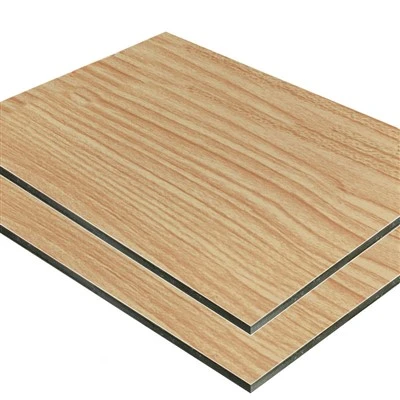
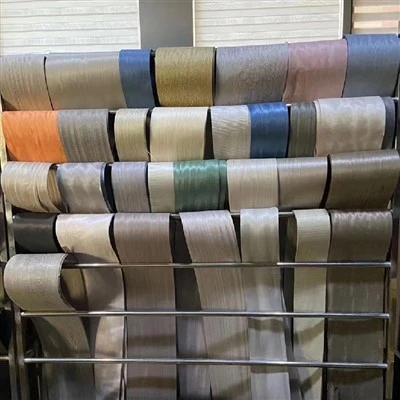
Veneer, also known as thin wood, veneer. Veneer is widely used in the veneer decoration of furniture and other products, and is a kind of wood sheet thin veneer or veneer material with the characteristics of precious tree species.
The veneer and veneer decoration industry started in the 50s of the last century, and after half a century of development, it has a considerable scale. Especially in the past ten years, with the rapid development of the domestic wood processing industry and the rapid development of the real estate industry in recent years, wood veneer as an excellent surface decoration material, has developed rapidly.
In today's furniture market, there are many types of veneer, dyed veneer, technical veneer, natural veneer, smoked veneer and so on. However, there are also many people who can't tell the difference between these veneers and their advantages and disadvantages.
Stained veneer
Dyeed veneer is a beautiful and delicate new material generated by dyeing and defecting natural veneer by using high-tech processing technology, which not only has the texture of natural veneer, but also completes some defects of natural veneer.
Dyed veneer can change the color on the basis of not changing the texture of natural veneer, and at the same time, the color diversification enriches the color imagination space of designers, enhances the use value of veneer itself, and adds a lot of color to the living environment.
The dyeing highlights the grain of the wood and its three-dimensional features, namely the natural properties of shadows, grenades, eyes, etc. The greatest value of wood dyeing lies in its infinite creative potential, the abundance of usable colours and shades that can be created in the changing of trends over the years, in the unpretentious and endless creative interpretations that are as simple as nature.
Dyed veneer has many advantages, but for most furniture companies, they are faced with more problems of how to apply it scientifically and reasonably. In the use of dyed veneer, there are high requirements for designers, woodworking process requirements, raw materials and paints.
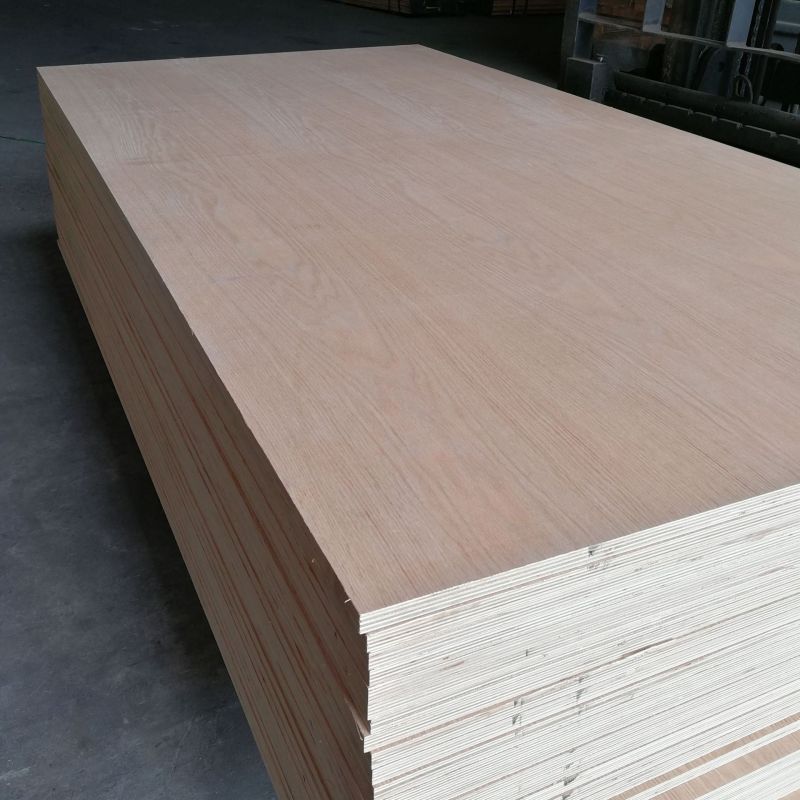
Smoked veneer
Smoked veneer, also known as carbonized veneer. It is a veneer that has been charred on the surface, or deeply treated, with a thin layer of charring on the surface.
The change of veneer's performance can be compared to the paint of veneer, but it can highlight the uneven wood grain on the surface, produce a three-dimensional effect, and be applied to the veneer decoration of furniture and other products.
Smoked veneer is a product of the development of the industry, which not only has the effect of natural precious wood rubbing, but also highlights the concave and convex wood grain on the surface, producing a three-dimensional effect, and fully meeting the diversified and personalized consumption needs. Smoked veneer has many characteristics.
The texture is clear and retro chic. The surface texture of smoked veneer is convex and concave, and the texture is excellent. It is widely used in outdoor balcony exterior walls, garden balcony furniture and outdoor flooring.
Durability. The stability of smoked veneer is very strong, it can effectively prevent insects and moisture, and will not easily change due to sun exposure or humid environment, which greatly extends the service life of smoked veneer wood products.
Brittleness. As the smoked veneer is treated at high temperatures, the veneer will be drier and more brittle, so it is important to choose the right adhesive and substrate when applying wood veneer.
Single color. The important point of smoked veneer compared with dyed veneer is that smoked veneer is not colored, and it is mainly dark, which is mainly used to create a high-end, retro visual experience.
Tech veneer
The veneer is designed through computer simulation, and the wood is twisted and deformed to obtain a beautiful texture of veneer, and the veneer is laminated on the melamine-impregnated paper substrate after flame retardant treatment, and then made into a thin wood veneer high-pressure decorative board after surface treatment.
Although the patterns of these decorative panels are computer simulations, they have the unique texture, texture and color of wood, and there are many categories, whether it is red beech, sapele or ebony or rosewood, they are all imitated to life and can be mass-produced. As a new generation of finishing materials, technical veneer can be used for the decoration of curved surfaces, special-shaped surfaces and interior walls in addition to wood-based panels and furniture finishes.
The technology veneer pattern is rich in color, wide range of raw materials, and low production cost. Compared with natural thin wood, the comprehensive utilization rate of technical wood is close to 100%, and the production cost is 50~70% lower than that of natural thin wood, which has better market competitiveness. However, at the same time, the yield of scientific and technological veneer is low and the process is complex. Due to the complexity of the production process of technical veneer, strict quality control is usually required to achieve satisfactory results.